Battery Chemistry Explained: What It Means for Generators
As an Amazon Associate we earn from qualifying purchases. Links on this page are affiliate links.
Understanding Battery Chemistry in Generators
When you look at portable power stations, the battery chemistry explained in the specifications tells you how the device stores and releases energy. This detail is critical for determining the lifespan and safety of your power source. You will typically see two main types listed: Lithium-ion and Lithium Iron Phosphate, often abbreviated as LiFePO4.
Lithium-ion batteries are common in many electronics. They offer high energy density, meaning they can store a lot of power in a small space. However, they tend to degrade faster over time. A standard Lithium-ion battery might last for about 500 to 800 full charge cycles before its capacity drops significantly below its original level. This means you may need to replace the unit sooner if you use it frequently.
LiFePO4 batteries are a specific type of lithium battery. They are known for their stability and long life. These units often support 2,000 to 3,000 charge cycles or more. For a buyer, this difference is substantial. If you plan to use your power station daily for camping or as a backup, the LiFePO4 option will likely outlast the standard Lithium model by several years. The chemical structure of LiFePO4 is more stable, which also reduces the risk of thermal runaway, a safety concern with some other lithium types.
When reviewing listings, check the cycle life rating. This number indicates how many times you can fully charge and discharge the battery before it holds less than 80% of its original capacity. A higher number generally means a longer-lasting product. You should also look for safety certifications. These confirm that the internal management system protects the battery chemistry from overheating or overcharging. Understanding these specs helps you choose a device that matches your usage patterns without paying for features you do not need.
LiFePO4 Versus Standard Lithium Options
LiFePO4
Lithium Iron Phosphate batteries offer exceptional longevity and thermal stability. You can expect thousands of charge cycles before capacity degrades significantly, making them ideal for long-term emergency backup or frequent camping trips. The Jackery Explorer 1000 v2 and BLUETTI Elite 100 Mini use this chemistry for reliable, durable power. However, LiFePO4 cells are heavier and bulkier than standard lithium-ion options. You trade some portability for a battery that lasts years longer. If you prioritize lifespan over weight, this is the practical choice for sustained use.
Lithium
Standard lithium-ion batteries provide high energy density in a compact, lightweight package. This chemistry suits users who need maximum power for short durations or frequent transport. The MARBERO 300W and EnginStar 300W models utilize this type for easy carrying. These units are lighter, often under five pounds, but typically have fewer charge cycles than LiFePO4. You get portability and lower mass, but the battery may degrade faster over time. This option works best for light-duty camping or occasional emergency use where weight is the primary concern.
Who Needs This Battery Type
Who needs it
You should prioritize units with LiFePO4 chemistry if you plan to use your power station frequently over several years. This specific battery type offers a significantly higher number of charge cycles compared to standard lithium-ion options. You will not need to replace the battery as often, which protects your long-term investment. If you rely on your unit for emergency backup or regular outdoor adventures, the enhanced thermal stability is crucial. It reduces the risk of overheating during heavy loads or in warm environments. The slower degradation rate means your device retains usable capacity for much longer. For users who value reliability and durability above all else, this chemistry is the clear choice. It ensures consistent performance even after hundreds of uses, making it ideal for serious outdoor enthusiasts or homeowners preparing for extended off-grid scenarios.
Who can skip it
You can likely ignore this specification if you only plan to use your power station occasionally. Standard lithium batteries perform adequately for short trips or rare emergency use. If your priority is keeping the initial purchase price low, these units often cost less upfront. You may not notice the difference in cycle life if you charge the device only a few times a year. Focus instead on watt-hour capacity and output ports for your immediate needs. The extra longevity of LiFePO4 matters most for frequent users. Casual campers or those needing a one-time backup solution do not benefit from the premium price tag. Prioritize weight and size if you carry your unit often. The chemical composition is less critical for infrequent, light-duty applications where long-term cycle counts are irrelevant.
Battery Chemistry Glossary
Wattage
This measures the rate of power delivery. It determines which appliances your unit can run simultaneously. Higher wattage supports more devices at once.
Capacity
Capacity indicates total energy storage, usually in watt-hours. It shows how long the unit powers your gear before needing a recharge or refuel.
Battery Chemistry
This defines the chemical composition of the internal cells. It affects lifespan, safety, weight, and performance in different temperatures. Common types include lithium-ion and LiFePO4.
Fuel Type
Fuel type specifies the energy source for generators. Options include gasoline, diesel, propane, or natural gas. This choice impacts availability, storage, and emissions.
Application
Application describes the intended use case. Common categories include emergency home backup, outdoor camping, or off-grid living. Your needs dictate the required specs.
Start Type
Start type refers to the ignition method. Electric start units use a button or key. Manual recoil requires pulling a cord. Electric start is easier in cold weather.
Features
Features are additional capabilities like USB ports, solar input, or Wi-Fi monitoring. These enhance usability and convenience. Check specifications for outputs that match your devices.
Voltage
Voltage is the electrical pressure pushing current. Standard outlets provide 120V AC. USB ports deliver 5V DC. Matching voltage ensures your devices operate safely and correctly.
Quick picks
| # | Product | Best for | Price |
|---|---|---|---|
| 1 | Jackery Explorer 1000 v2 with Two 100W Panels | Long-term camping and emergency backup | Check price of Jackery Explorer 1000 v2 with Two 100W Panels on Amazon |
| 2 | MARBERO 300W 237Wh Portable Power Station | lightweight camping and emergency backup | Check price of MARBERO 300W 237Wh Portable Power Station on Amazon |
| 3 | BLUETTI 288Wh 600W Power Station | lightweight camping and small device backup | Check price of BLUETTI 288Wh 600W Power Station on Amazon |
| 4 | EnginStar 300W 296Wh Portable Power Station | lightweight backup for small electronics | Check price of EnginStar 300W 296Wh Portable Power Station on Amazon |
| 5 | BLUETTI Elite 100 Mini 1000Wh Power Station | Long-lasting camping and home backup power | Check price of BLUETTI Elite 100 Mini 1000Wh Power Station on Amazon |
| 6 | ENOFLO 600W 296Wh Portable Power Station | Short-term camping and emergency backup | Check price of ENOFLO 600W 296Wh Portable Power Station on Amazon |
Our 6 picks
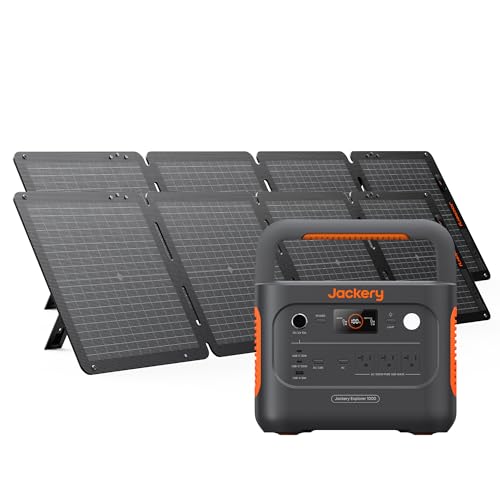
Jackery Explorer 1000 v2 with Two 100W Panels
Best for: Long-term camping and emergency backup
- Battery Chemistry
- LiFePO4 (what this guide is about)
- Running Wattage
- 1,500W
- Surge Wattage
- 3,000W
- Capacity
- 1,070Wh
- Output Ports
- 3 AC, 2 USB-C, 1 USB-A, 1 DC
- Solar Panel Wattage
- 2 x 100W
View on Amazon: Jackery Explorer 1000 v2 with Two 100W Panels Affiliate link
The Jackery Explorer 1000 v2 offers 1,070 Wh of LiFePO4 battery capacity. It delivers 1,500 W of continuous AC output and 3,000 W of surge power. This chemistry supports 4,000 charge cycles. The unit includes two 100 W solar panels for off-grid use. It weighs 23.8 lbs and features fast charging capabilities. You get reliable power for camping or home backup with this durable setup.
Pros
- LiFePO4 battery chemistry for 4,000 cycle lifespan
- 1,500 W continuous AC output
- Includes two 100 W solar panels
- Fast charging from 0% to 100% in one hour
Cons
- Solar panels ship separately from the main unit
- Orange color may not suit all aesthetics
- Limited to six output ports
Good fit if
- You need a long-lasting LiFePO4 battery for frequent use
- You want to charge devices directly from solar panels
- You require 1,500 W of continuous power for appliances
Skip if
- You need more than 1,070 Wh of capacity
- You prefer a unit with a built-in display
- You want a lighter unit under 20 lbs
Verdict: Jackery Explorer 1000 v2 provides substantial 1,070 Wh capacity and robust 1,500 W output for users needing reliable off-grid power. It suits campers and homeowners who value the longevity of LiFePO4 batteries and the convenience of included solar panels.

MARBERO 300W 237Wh Portable Power Station
Best for: lightweight camping and emergency backup
- Battery Chemistry
- Lithium (what this guide is about)
- Running Wattage
- 300W
- Surge Wattage
- 375W
- Capacity
- 237Wh
- Output Ports
- 2 AC, 4 USB-A, 1 USB-C, 1 DC
- Voltage
- 110V
View on Amazon: MARBERO 300W 237Wh Portable Power Station Affiliate link
The MARBERO M823 is a compact 300W portable power station featuring a 237Wh lithium battery. It delivers 375W of surge power and includes multiple output ports for various devices. The unit weighs 4.6 pounds and measures 8.15 by 5.83 by 3.90 inches. It supports recharging via wall outlet, car adapter, or solar panels. This model suits users needing lightweight backup power for camping or emergency use.
Pros
- 237Wh lithium battery capacity
- 300W running and 375W surge wattage
- Lightweight 4.6-pound design with handle
- Built-in LED camping lantern with SOS mode
- Multiple output options including USB-C and AC
Cons
- 237Wh capacity is smaller than other options on this list
- Uses standard lithium chemistry instead of LiFePO4
- No USB-C input for recharging mentioned
Good fit if
- You need a lightweight unit for backpacking or car camping
- You want to power small electronics and LED lights
- You prefer a compact size that fits in a bag
Skip if
- You require long-term power for high-wattage appliances
- You want the longest-lasting battery chemistry available
- You need to run devices for more than a few hours
Verdict: The MARBERO M823 300W Lithium Power Station is a portable option for light-duty camping trips. It fits users who prioritize weight and size over high capacity or extended battery life.

BLUETTI 288Wh 600W Power Station
Best for: lightweight camping and small device backup
- Battery Chemistry
- LiFePO4 (what this guide is about)
- Running Wattage
- 600W
- Surge Wattage
- 1500W
- Capacity
- 288Wh
- Application
- Camping, Emergency, Power Outage
- Dimensions
- 12.5 × 13.4 × 9.72 inches
View on Amazon: BLUETTI 288Wh 600W Power Station Affiliate link
This compact power station uses LiFePO4 chemistry for long-term reliability. It holds 288Wh of energy and delivers 600W continuous output with a 1500W surge. The unit weighs 9.5 pounds, making it easy to carry. It features a 10ms UPS function to keep devices running during outages. You can recharge it fully in 70 minutes via wall power. This model suits users needing lightweight, efficient backup for small electronics or camping gear.
Pros
- LiFePO4 battery chemistry ensures durability
- 600W continuous output with 1500W surge
- 10ms UPS switch for critical devices
- 70-minute full recharge time
- Lightweight 9.5-pound design
Cons
- 288Wh capacity is smaller than many competitors
- No solar panel included in base unit
- Limited output for high-wattage appliances
Good fit if
- You need a lightweight unit for camping
- You want LiFePO4 battery longevity
- You require UPS protection for routers
Skip if
- You need to run heavy appliances
- You require large energy storage capacity
- You want a complete solar kit included
Verdict: BLUETTI Elite 30 V2 288Wh LFP is a practical option for light users who prioritize portability and battery life over raw capacity. It fits campers and emergency preppers who carry minimal gear.

EnginStar 300W 296Wh Portable Power Station
Best for: lightweight backup for small electronics
- Battery Chemistry
- Lithium (what this guide is about)
- Running Wattage
- 300 W
- Capacity
- 296Wh
- Output Ports
- 2x AC, 3x USB, 1x Car port, 2x DC
- Voltage
- 110V
- Application
- Camping, RV, Power Outage
View on Amazon: EnginStar 300W 296Wh Portable Power Station Affiliate link
This EnginStar unit offers 296Wh of capacity and 300W of continuous output. It uses standard lithium battery chemistry rather than the LiFePO4 found in some competitors. The device includes two pure sine wave AC ports and multiple DC outputs. Its compact 9 x 5.5 x 7.5 inch frame weighs 6.5 pounds. It suits users who need basic backup power for small electronics during camping or short outages.
Pros
- 296Wh capacity provides reliable power for small devices
- 300W running wattage handles moderate loads
- Two pure sine wave AC outlets ensure clean power
- Multiple output options including USB-C and 12V ports
Cons
- Standard lithium chemistry has a shorter lifespan than LiFePO4
- 296Wh capacity is smaller than the 1070Wh option on this list
- 7-hour AC recharge time is slower than some competitors
Good fit if
- You need a lightweight unit under 7 pounds
- You want to power small electronics like phones and laptops
- You prefer a compact footprint for easy storage
Skip if
- You require LiFePO4 battery chemistry for longer cycle life
- You need to run high-wattage appliances like microwaves
- You want a capacity larger than 300Wh
Verdict: EnginStar 300W Portable Power Station delivers basic backup power with a compact design. It fits users who prioritize portability and simple output options over long-term battery durability.

BLUETTI Elite 100 Mini 1000Wh Power Station
Best for: Long-lasting camping and home backup power
- Battery Chemistry
- LiFePO4 (what this guide is about)
- Running Wattage
- 700W
- Surge Wattage
- 3,600W
- Capacity
- 1004.8Wh
- Application
- Camping, Power Outage
- Dimensions
- 13.4 × 9.72 × 12.5 inches
View on Amazon: BLUETTI Elite 100 Mini 1000Wh Power Station Affiliate link
The BLUETTI Elite 100 Mini offers 1004.8Wh of capacity using LiFePO4 battery chemistry. This chemistry supports over 6,000 charge-discharge cycles for a long lifespan. It delivers 700W of continuous power and includes a 10ms UPS switchover for critical devices. The unit weighs 23.5 pounds and features a compact vertical design. It suits users needing reliable, long-lasting power for camping or home backup.
Pros
- LiFePO4 battery chemistry for extended cycle life
- 1004.8Wh capacity powers daily essentials
- 10ms UPS backup for seamless switchover
- Compact vertical design at 23.5 pounds
Cons
- 700W running wattage limits heavy appliance use
- No solar panel included in base unit
- Heavier than smaller 300W alternatives
Good fit if
- You need a long-lasting LiFePO4 battery
- You require UPS backup for sensitive electronics
- You want a compact 1kWh power station
Skip if
- You need more than 700W of continuous power
- You prefer a lighter unit under 20 pounds
- You want a solar panel included in the base price
Verdict: The BLUETTI Elite 100 Mini 1kWh LFP fits users who prioritize battery longevity and UPS functionality over raw output power. Its LiFePO4 chemistry ensures reliable performance for camping or emergency backup over many years.

ENOFLO 600W 296Wh Portable Power Station
Best for: Short-term camping and emergency backup
- Battery Chemistry
- Lithium (what this guide is about)
- Running Wattage
- 600W
- Capacity
- 296Wh
- Output Ports
- 2 AC, 2 USB-C, 2 USB-A, 2 DC, 1 Car
- Voltage
- 110V
- Application
- Outdoor, Emergency
View on Amazon: ENOFLO 600W 296Wh Portable Power Station Affiliate link
The ENOFLO 600W uses a 296Wh lithium-ion battery to deliver 600W of output. It features a pure sine wave inverter and multiple ports including USB-C and AC outlets. The unit includes a digital LCD display and LED light. This model suits users needing moderate power for camping or emergencies, though its lithium-ion chemistry differs from the LiFePO4 options in this guide.
Pros
- 296Wh lithium-ion battery capacity
- 600W pure sine wave AC output
- Digital LCD display for status monitoring
- Built-in LED flashlight with SOS mode
Cons
- Lithium-ion chemistry has shorter lifespan than LiFePO4
- Smaller 296Wh capacity compared to larger competitors
- Solar panel not included in the package
Good fit if
- You need a lightweight backup for short trips
- You want a clear digital display for monitoring
- You require pure sine wave output for sensitive devices
Skip if
- You need long-term cycle life like LiFePO4
- You plan to run high-wattage appliances for hours
- You want a solar panel included with the unit
Verdict: The ENOFLO 600W Portable Power Station offers reliable 600W output and a 296Wh lithium-ion battery for basic camping or emergency needs. It fits users who prioritize portability and clear status displays over the extended cycle life of LiFePO4 batteries.
Specifications side by side
| Spec | Jackery Explorer 1000 v2 with Two 100W Panels | MARBERO 300W 237Wh Portable Power Station | BLUETTI 288Wh 600W Power Station | EnginStar 300W 296Wh Portable Power Station | BLUETTI Elite 100 Mini 1000Wh Power Station | ENOFLO 600W 296Wh Portable Power Station |
|---|---|---|---|---|---|---|
| Running Wattage | 1,500W | 300W | 600W | 300 W | 700W | 600W |
| Surge Wattage | 3,000W | 375W | 1500W | not stated | 3,600W | not stated |
| Capacity | 1,070Wh | 237Wh | 288Wh | 296Wh | 1004.8Wh | 296Wh |
| Battery Chemistry | LiFePO4 | Lithium | LFP | Lithium | LFP | Lithium-ion |
| Output Ports | 3 AC, 2 USB-C, 1 USB-A, 1 DC | 2 AC, 4 USB-A, 1 USB-C, 1 DC | not stated | 2x AC, 3x USB, 1x Car port, 2x DC | not stated | 2 AC, 2 USB-C, 2 USB-A, 2 DC, 1 Car |
| Voltage | not stated | 110V | not stated | 110V | not stated | 110V |
| Solar Panel Wattage | 2 x 100W | not stated | not stated | not stated | not stated | not stated |
| Wattage | 100W | 300W | 600W | 300W | 3600W | 600W |
| Application | Outdoor, Emergency, RV, Off-Grid | Camping, Home, Emergency, Power Outage | Camping, Emergency, Power Outage | Camping, RV, Power Outage | Camping, Power Outage | Outdoor, Emergency |
| Features | not stated | AC Outlet | not stated | AC Outlet | not stated | AC Outlet |
| Dimensions | 8.82 × 12.9 × 9.27 inches | 8.15 × 3.9 × 5.83 inches | 12.5 × 13.4 × 9.72 inches | 9 × 5.5 × 7.5 inches | 13.4 × 9.72 × 12.5 inches | 9.96 × 8.03 × 7.36 inches |
| Weight | 23.8 pounds | 4.6 pounds | 9.5 pounds | 6.5 pounds | 23.5 pounds | not stated |
| Color | Orange | Brick Red | not stated | Green | black | Blue-Black |
| Model | JE-1000D | M823 | BLUETTI Elite 30 V2 Power Station | R300 | BLUETTI Elite 100 mini | G600 |
| Size | not stated | not stated | not stated | 300W | not stated | 8.03 x 9.96 x 7.36 inches |
Frequently asked questions
Does LiFePO4 chemistry last longer than standard lithium?
Yes. LiFePO4 batteries typically offer thousands of charge cycles before significant degradation. Standard lithium-ion units usually have fewer cycles. The Jackery Explorer 1000 v2 uses LiFePO4 for long-term reliability. The MARBERO 300W uses standard lithium, which suits light-duty trips better.
Which battery type is safer for indoor use?
LiFePO4 chemistry is generally safer due to superior thermal stability. It resists overheating better than standard lithium-ion cells. This makes units like the BLUETTI Elite 100 Mini ideal for home backup. Standard lithium stations, like the EnginStar 300W, are safe but less stable under stress.
Can I use a standard lithium power station for camping?
Yes, if your needs are light. The MARBERO 300W and EnginStar 300W both use standard lithium. They are lightweight and portable. However, they degrade faster than LiFePO4 options. Use them for short trips rather than frequent, long-term outdoor adventures.
What does battery chemistry affect in a generator?
It affects lifespan, weight, and safety. LiFePO4 batteries are heavier but last longer. Standard lithium units are lighter but have shorter lifespans. The BLUETTI Elite 30 V2 uses LiFePO4 for durability. The ENOFLO 600W uses standard lithium for lower weight.
Is LiFePO4 better for emergency backup?
Yes. It maintains capacity over many years of storage and use. The Jackery Explorer 1000 v2 and BLUETTI Elite 100 Mini both use LiFePO4. They are built for reliable, long-term emergency power. Standard lithium units may lose capacity faster if stored unused for years.
Do I need LiFePO4 for occasional use?
Not necessarily. Standard lithium-ion batteries are sufficient for occasional use. The EnginStar 300W and ENOFLO 600W use standard lithium. They provide adequate power for infrequent camping or short outages. LiFePO4 is better if you plan to charge and discharge the unit frequently.