IP68 vs IP65 Solar Panels in 2026: Key Differences
As an Amazon Associate we earn from qualifying purchases. Links on this page are affiliate links.
When choosing an IP68 vs IP65 solar panel, you need to match the enclosure rating to your environment. Both options deliver reliable energy conversion for off-grid needs. The main difference lies in dust and water protection. One unit offers complete dust tightness and submersion resistance, while the other handles dust and low-pressure water jets. Selecting the right rating ensures your equipment survives your specific usage conditions without premature failure.
Key differences
| Aspect | HQST 200W Bifacial N-Type Solar Panel | TWELSEAVAN 120W Foldable Solar Panel |
|---|---|---|
| IP Rating | IP68 (Dust tight, submerged) | IP65 (Dust tight, low-pressure jets) |
| Panel Type | Bifacial | Foldable |
| Rated Power | 200W | 120W |
| Weight | 21.58 lb | 7.05 lbs |
| Output Ports | Not listed | USB-C, USB QC3.0, MC4 |
Which one should you choose?
Choose HQST 200W Bifacial N-Type Solar Panel if
- You need maximum water protection for submersion risks or heavy industrial use.
- You want higher power output and bifacial energy capture for permanent installations.
- You prioritize long-term durability with N-Type cells and a rigid aluminum frame.
Choose TWELSEAVAN 120W Foldable Solar Panel if
- You require a lightweight, portable panel for camping or hiking trips.
- You need built-in USB ports to charge small devices directly.
- You prefer a compact, foldable design that fits in a small bag.
Verdict: Choose the IP68 model if you need rugged, permanent installation with higher power output. The IP65 panel is better for portable, lightweight applications where direct USB charging is useful. Your choice depends on whether you prioritize total environmental sealing or portability.
IP68 vs IP65 Solar Panel Specs
IP protection level
The HQST panel carries an IP68 rating, meaning it is completely dust-tight and can withstand prolonged immersion in water. This makes it suitable for harsh environments where submersion is possible. The TWELSEAVAN panel has an IP65 rating. It is dust-tight but only protected against low-pressure water jets from any direction. It resists rain and splashes but is not designed for submersion. If you camp near water or in heavy rain, the IP68 rating offers a higher margin of safety against water ingress.
power output
HQST provides a rated power of 200W. This higher output allows you to charge larger power stations or run more devices simultaneously. TWELSEAVAN offers 120W of rated power. While sufficient for smaller devices and phones, it delivers less total energy per hour. The HQST panel generates significantly more electricity, making it better for powering high-demand equipment or charging larger battery banks quickly. The TWELSEAVAN unit is lower output, which limits its ability to charge large power stations efficiently.
portability and weight
TWELSEAVAN weighs 7.05 lbs and folds to a briefcase size. This makes it easy to carry for hiking or camping. HQST weighs 21.58 lbs and measures 30.1 x 47.2 inches. It is a rigid panel designed for fixed installation on RVs or roofs. The TWELSEAVAN unit is much lighter and more compact, offering superior portability for mobile users. The HQST panel is heavier and bulkier, requiring more effort to transport and install.
panel technology
HQST uses N-Type bifacial cells with 16 busbars. Bifacial technology captures light from both sides, potentially increasing output by up to 30% depending on surface reflectivity. TWELSEAVAN uses HPBC cells and is a standard monofacial panel. It lacks the bifacial capability. The HQST panel offers advanced cell technology that can harvest more energy from reflected light. The TWELSEAVAN panel relies on single-sided light capture, which may result in lower total energy yield in reflective environments.
charging ports
TWELSEAVAN includes built-in USB-C (60W) and USB QC3.0 (18W) ports. You can charge phones and tablets directly without a power station. HQST has no built-in USB ports. It relies on MC4 connectors for connection to external charge controllers or power stations. The TWELSEAVAN panel offers direct device charging convenience. The HQST panel requires additional cables and adapters for direct device charging, adding complexity to your setup.
Which IP68 or IP65 Panel Fits You
RV owners with tight rooftop spaces
This HQST panel measures 30.1 by 47.2 inches and weighs 21.58 lb. Its compact size and 25.4% efficiency fit Class B campervans better than bulkier alternatives. You get bifacial technology for up to 30% more power. The IP68 rating protects against dust and water immersion. Fewer mounts and cables reduce system complexity and potential power loss.
Campers needing portable, quick-setup gear
This TWELSEAVAN panel weighs only 7.05 lbs and folds to 16.6 by 15.7 inches. You can set it up in 30 seconds using the magnetic handle. It includes USB-C and QC3.0 ports for direct device charging. The IP65 rating handles rain and splashes. Four mounting holes allow flexible placement on tents or RVs for immediate off-grid power.
Users requiring direct device charging ports
The TWELSEAVAN unit features a 60W USB-C port and an 18W QC3.0 port. You can charge phones, cameras, and power banks directly without a power station. It also includes an MC4 cable for broader compatibility. The 25.8% efficiency ensures strong output. The IP65 rating provides adequate protection for outdoor camping trips and hiking adventures.
Quick picks
| # | Product | Best for | Price |
|---|---|---|---|
| 1 | HQST 200W Bifacial N-Type Solar Panel | Fixed high-efficiency solar installations | Check price of HQST 200W Bifacial N-Type Solar Panel on Amazon |
| 2 | TWELSEAVAN 120W Foldable Solar Panel | Lightweight camping and direct device charging | Check price of TWELSEAVAN 120W Foldable Solar Panel on Amazon |
The products compared
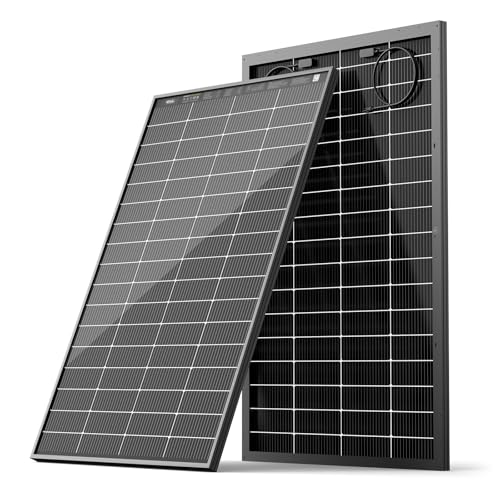
HQST 200W Bifacial N-Type Solar Panel
Best for: Fixed high-efficiency solar installations
- IP Rating
- IP68 (what this guide is about)
- Rated Power
- 200W
- Conversion Efficiency
- Up to 25.4%
- Panel Type
- Bifacial
- Cell Type
- N-Type
- Busbar Count
- 16BB
View on Amazon: HQST 200W Bifacial N-Type Solar Panel Affiliate link
This is a 200W bifacial solar panel with an IP68 rating. It uses N-Type cells for up to 25.4% efficiency. The design captures light from both sides to potentially increase output. It weighs 21.58 lb and measures 30.1 by 47.2 inches. This panel suits you if you need durable, high-efficiency power for tight spaces like campervans or rooftops.
Pros
- IP68 waterproof rating for extreme weather resistance
- Bifacial design captures direct and reflected sunlight
- N-Type cells offer up to 25.4% efficiency
- 16BB cells reduce resistance and hot spots
Cons
- Fixed panel dimensions may not fit all surfaces
- Actual bifacial gain depends on surface reflectivity
- Heavier than standard single-sided panels
Good fit if
- You need high weather resistance for outdoor use
- You want to maximize energy in limited space
- You install panels on reflective surfaces like roofs
Skip if
- You require a flexible or rollable panel
- You need a lighter panel for portable use
- You prefer standard PERC cell technology
Verdict: HQST 200W IP68 Bifacial Solar Panel delivers high efficiency and weather protection for fixed installations. It fits buyers who prioritize durability and maximum energy capture in tight spaces.

TWELSEAVAN 120W Foldable Solar Panel
Best for: Lightweight camping and direct device charging
- IP Rating
- IP65 (what this guide is about)
- Rated Power
- 120W
- Conversion Efficiency
- Up to 25.8%
- Panel Type
- Foldable
- Cell Type
- HPBC
- Weight
- 7.05 lbs
View on Amazon: TWELSEAVAN 120W Foldable Solar Panel Affiliate link
This TWELSEAVAN panel offers 120W of rated power with up to 25.8% conversion efficiency using HPBC cells. It carries an IP65 rating for water and dust resistance, making it suitable for camping and RV trips. The foldable design weighs 7.05 lbs and includes USB-C and QC3.0 ports for direct device charging. It connects to power stations via MC4 adapters.
Pros
- High 25.8% conversion efficiency with HPBC cells
- IP65 waterproof and dust-resistant rating
- Built-in 60W USB-C and 18W QC3.0 ports
- Lightweight 7.05 lbs foldable design
Cons
- IP65 rating is less protected than the IP68 option
- 120W output is lower than the 200W alternative
- No bifacial cell technology for rear-side gain
Good fit if
- You need direct charging for phones and cameras
- You prefer a lightweight panel for hiking
- You want high efficiency in a compact size
Skip if
- You require maximum water submersion resistance
- You need higher than 120W power output
- You want bifacial energy collection
Verdict: TWELSEAVAN 120W Foldable Solar Panel fits travelers who prioritize portability and direct device charging over maximum power or extreme weather sealing.
Specifications side by side
| Spec | HQST 200W Bifacial N-Type Solar Panel | TWELSEAVAN 120W Foldable Solar Panel |
|---|---|---|
| Rated Power | 200W | 120W |
| Conversion Efficiency | Up to 25.4% | Up to 25.8% |
| Panel Type | Bifacial | Foldable |
| Cell Type | N-Type | HPBC |
| Busbar Count | 16BB | not stated |
| IP Rating | IP68 | IP65 |
| Weight | not stated | 7.05 lbs |
| Wattage | 200W | 120W |
| Application | RV, Off-Grid, Marine | Camping, Outdoor, RV, Power Outage, Off-Grid |
| Output Ports | not stated | USB-C |
| Water Resistance | not stated | Waterproof |
| Dimensions | 48 × 31 × 1.9 inches | 20.5 × 14.4 × 1.6 inches |
| Color | Black | Black |
| Model | HSP200N-64LT | solar panel |
| Size | not stated | 120W |
Frequently asked questions
Can an IP65 solar panel survive heavy rain?
Yes, an IP65 rating protects against low-pressure water jets from any direction. This level of water resistance is sufficient for most outdoor camping and RV use. It keeps dust out and handles typical storm conditions without damage to the internal components.
Is IP68 better than IP65 for marine environments?
IP68 offers superior protection for marine or wet environments because it allows for prolonged submersion. While IP65 resists water jets, IP68 units remain sealed even when fully underwater. This makes IP68 panels ideal for boats or areas prone to flooding.
Do IP68 panels work better in dusty areas?
Both IP68 and IP65 panels are completely dust-tight, as indicated by the first digit of their ratings. The number six signifies total protection against dust ingress. Therefore, neither rating offers a dust advantage over the other for off-grid adventures.
Can I submerge an IP65 solar panel in water?
No, you should not submerge an IP65 panel. It is only protected against water jets, not immersion. Submerging it risks water entering the enclosure and damaging the cells. Use an IP68 model if your setup involves potential underwater exposure.
Are bifacial panels usually rated IP68?
Many high-efficiency bifacial panels carry an IP68 rating to ensure durability. For example, the HQST 200W Bifacial panel uses N-Type cells and achieves this high protection level. This combination supports long-term performance in fixed, high-efficiency installations exposed to the elements.
Which rating is better for foldable camping panels?
IP65 is often sufficient for foldable camping panels like the TWELSEAVAN 120W unit. It provides waterproof protection while keeping the design lightweight and portable. Travelers prioritize portability and direct charging over the extreme submersion resistance offered by heavier IP68 models.
Does IP rating affect solar energy output?
The IP rating does not directly change energy conversion efficiency. It only describes the physical enclosure's protection against solids and liquids. However, better sealing can maintain performance over time by preventing corrosion or dust buildup on the panel surface.