Output Ports Explained: What It Means for Generators
As an Amazon Associate we earn from qualifying purchases. Links on this page are affiliate links.
Output Ports Explained: What It Means for Generators
Understanding output ports explained helps you match devices to the right power source. Portable power stations and generators offer various connection types. Each port serves a specific purpose. You must check the specifications to ensure compatibility with your gear. This guide breaks down the most common ports found in this niche.
USB-C is the modern standard for fast charging. It supports higher wattage than older USB types. Many laptops, tablets, and smartphones use this interface. Look for the wattage rating on the listing. A higher number means faster charging speeds. This port is essential for modern electronics.
USB-A remains common for smaller devices. It charges phones, cameras, and fans. The speed is usually lower than USB-C. Check the amperage or wattage output. Most units include multiple USB-A ports. This allows you to charge several gadgets at once. It is a reliable choice for basic needs.
MC4 ports are designed for solar panels. These connectors link your power station to external solar arrays. They allow you to recharge the unit using sunlight. This feature extends runtime when you are off-grid. Ensure your solar panels have matching MC4 connectors. This setup is crucial for extended outdoor trips.
DC ports provide direct current output. They often use barrel jack connectors. These are used for specific devices like car fridges or LED lights. The voltage and amperage must match your device requirements. Using the wrong voltage can damage your equipment. Always verify the DC output specs before connecting.
Checking these specs ensures you buy the right unit. You avoid buying a device that cannot charge your essential tools. Compare the number and type of ports across models. This simple step saves time and ensures compatibility. Focus on the data provided by the manufacturer.
Types of Output Ports
USB-C
USB-C delivers high-speed charging for modern smartphones, tablets, and laptops. It supports Power Delivery standards, allowing you to recharge devices quickly. The Jackery Explorer 1000 v2 includes this port for fast mobile tech charging. This option suits users with recent electronics who need rapid power restoration. You gain convenience and speed for personal devices. However, it does not power large appliances. You must check your device’s wattage requirements. This port is essential for digital gear but limited in scope for heavy loads. It is ideal for campers carrying laptops and phones.
USB-A
USB-A is the standard rectangular port for older and many current devices. It charges phones, cameras, and small gadgets reliably. The Jackery HomePower 3000 provides this port for versatile charging needs. This option suits users with a mix of legacy and modern devices. You get broad compatibility without needing adapters. The trade-off is slower charging speeds compared to USB-C. It is less efficient for high-draw laptops. This port remains practical for basic electronics and emergency backups. It ensures you can power essential handheld devices during outages or trips. It is a standard feature for general-purpose power stations.
MC4
MC4 ports are designed specifically for solar panel connections. They allow you to expand your power station’s capacity using sunlight. This guide covers products with various port types. While some stations offer MC4 inputs, others do not. The Jackery HomePower 3000 lacks this feature, limiting solar expansion. This option suits off-grid users who rely on solar energy. You gain renewable power independence. The trade-off is the need for compatible solar panels and cables. It adds complexity to your setup. It is not suitable for users who prefer plug-and-play AC or DC power. It is specialized for solar enthusiasts.
DC
DC ports provide direct current output for 12V devices like car fridges or lights. The BILT HARD generator and Jackery Explorer 240D feature DC outputs. This option suits users powering automotive accessories or RV equipment. You get stable power for low-voltage gadgets. The trade-off is limited versatility compared to AC outlets. You cannot plug in standard household appliances directly. It is ideal for specific 12V needs. This port is common in generators and power banks. It ensures compatibility with car-based electronics. It is a practical choice for outdoor enthusiasts using vehicle power systems.
Check Ports For Your Gear
Who needs it
You need this spec if you carry mixed electronics. The presence of USB-C allows you to charge laptops and newer phones without adapters. USB-A remains essential for older devices that lack modern connectors. MC4 ports are critical for solar enthusiasts. They let you connect standard solar panels directly to the unit. This setup is vital for off-grid camping or emergency preparedness where sunlight is your primary fuel source. DC outputs support specialized equipment like refrigerators or medical devices. If your gear relies on these specific connections, verifying their presence is mandatory. Missing any of these ports could leave you unable to power essential tools. You must ensure the output types match your current inventory of cables and devices. This compatibility check prevents wasted trips and ensures your power station integrates seamlessly with your existing setup.
Who can skip it
You can ignore this spec if you only use universal AC outlets. Most standard household appliances plug into the main AC sockets. These units provide versatile power for TVs, fans, and kitchen gadgets. If your devices only require standard wall plugs, the specific DC or solar inputs are irrelevant. You should prioritize total wattage and battery capacity instead. A larger battery lasts longer, and higher wattage handles more demanding loads. Focus on how many hours you need power and what devices you will run. The variety of small ports adds complexity without benefit if you do not use them. Simplify your decision by looking at the main power output. This approach saves time and reduces confusion. You do not need to map every cable type if your usage is straightforward. Stick to the basics of energy storage and standard plug compatibility.
Output Port Glossary
USB-A
Standard rectangular connector for older phones and small gadgets. Typical output is 5 volts at 2.4 amps, suitable for slow charging basics.
USB-C
Reversible port supporting Power Delivery for laptops. It delivers higher wattage, often up to 100 watts, for fast charging modern electronics.
AC Outlet
Standard wall socket for household appliances. It provides 110 to 120 volts AC power, allowing you to plug in tools or kitchen devices directly.
12V DC
Cigarette lighter style port for car accessories. It supplies steady low-voltage power for fridges or air compressors without needing an inverter.
DC5521
Barrel jack for specific electronics like LED strips. It delivers direct current, usually 12 volts, to devices that require a dedicated power adapter.
MC4
Solar input connector for photovoltaic panels. It allows you to connect solar arrays directly to the unit for off-grid recharging via sunlight.
Quick picks
| # | Product | Best for | Price |
|---|---|---|---|
| 1 | Jackery Explorer 1000 v2 with Two 100W Panels | Fast USB-C delivery and mid-sized appliance backup | Check price of Jackery Explorer 1000 v2 with Two 100W Panels on Amazon |
| 2 | MARBERO 300W 237Wh Portable Power Station | multi-device mobile charging on light outdoor trips | Check price of MARBERO 300W 237Wh Portable Power Station on Amazon |
| 3 | BILT HARD 2500W Gas Inverter Generator | Sensitive electronics and outdoor safety | Check price of BILT HARD 2500W Gas Inverter Generator on Amazon |
| 4 | Jackery HomePower 3000 Power Station | Home backup and RV power needs | Check price of Jackery HomePower 3000 Power Station on Amazon |
| 5 | Jackery Explorer 240D DC Power Bank | Lightweight USB-C device charging | Check price of Jackery Explorer 240D DC Power Bank on Amazon |
| 6 | ZeroKor 120W Compact Portable Power Station | Lightweight charging of small electronics | Check price of ZeroKor 120W Compact Portable Power Station on Amazon |
Our 6 picks
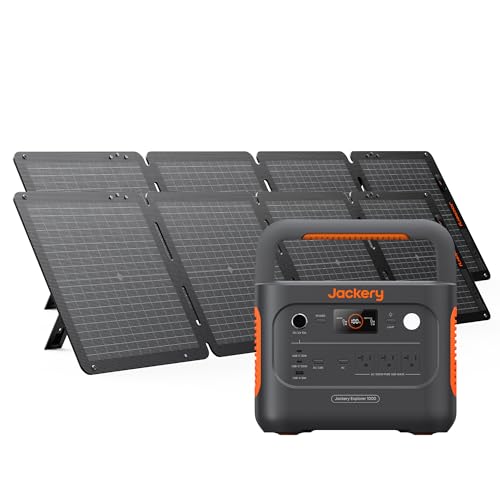
Jackery Explorer 1000 v2 with Two 100W Panels
Best for: Fast USB-C delivery and mid-sized appliance backup
- Output Ports
- USB-C (what this guide is about)
- Running Wattage
- 1,500W
- Surge Wattage
- 3,000W
- Capacity
- 1,070Wh
- Battery Chemistry
- LiFePO4
- Solar Panel Wattage
- 2 x 100W
View on Amazon: Jackery Explorer 1000 v2 with Two 100W Panels Affiliate link
The Jackery Explorer 1000 v2 Solar Generator pairs a 1,070Wh LiFePO4 battery with a 1,500W AC inverter. For device connectivity, you get two 100W USB-C ports, one USB-A port, three AC outlets, and a 12V car port. It suits campers and home backup users who need fast USB-C delivery alongside continuous household AC power.
Pros
- Two 100W USB-C Power Delivery ports support fast charging without adapters
- 1,500W continuous pure sine wave AC output with 3,000W surge peak
- LiFePO4 battery rated for 4,000 cycles to 70% capacity
- One-hour fast AC wall recharging capability
Cons
- Includes only one USB-A port for legacy devices
- Offers only a single 12V car socket with no DC barrel ports
- Weighs 23.8 pounds before adding the two 100W solar panels
Good fit if
- You need 100W USB-C output to power modern laptops and phones directly.
- You run AC appliances that draw up to 1,500W continuously.
- You want rapid one-hour AC charging between outings or outages.
Skip if
- You need several USB-A ports running at the same time.
- You require dedicated DC barrel outputs for 12V accessories.
Verdict: Jackery Explorer 1000 v2 Solar Generator fits off-grid campers and emergency preppers who prioritize high-speed USB-C charging alongside substantial 1,500W AC output. Its port layout supports modern mobile tech and standard household appliances simultaneously.

MARBERO 300W 237Wh Portable Power Station
Best for: multi-device mobile charging on light outdoor trips
- Output Ports
- USB-C, USB-A (what this guide is about)
- Running Wattage
- 300W
- Surge Wattage
- 375W
- Capacity
- 237Wh
- Battery Chemistry
- Lithium
- Voltage
- 110V
View on Amazon: MARBERO 300W 237Wh Portable Power Station Affiliate link
This compact lithium power station delivers 300 watts of continuous output and 237 watt-hours of capacity. For device charging, you get four USB-A ports, one 18-watt USB-C port, one DC output, and two AC outlets. At 4.6 pounds, it fits easily in a backpack. It suits you if you need basic charging ports for phones, cameras, and small electronics on camping trips.
Pros
- Weighs 4.6 pounds for easy portability
- Four USB-A ports, including two 18-watt quick-charge connections
- Multiple recharging options via wall outlet, 12V car adapter, or solar panel
- Two integrated LED lights with multiple brightness and SOS modes
Cons
- USB-C port caps at 18 watts of power delivery
- Wall recharging takes 6 hours to reach full capacity
- Running output is limited to 300 watts
Good fit if
- You need to charge multiple small USB-A devices at the same time.
- You want a 4.6-pound power station to carry in a backpack for travel or outdoor use.
Skip if
- You require high-wattage USB-C fast charging above 18 watts for modern laptops.
- You need to operate household appliances that draw more than 300 continuous watts.
Verdict: MARBERO 300W 237Wh Portable Power Station fits campers and road trippers who need dedicated USB and DC ports for mobile devices. Its 300-watt inverter handles low-draw electronics while keeping pack weight under five pounds.
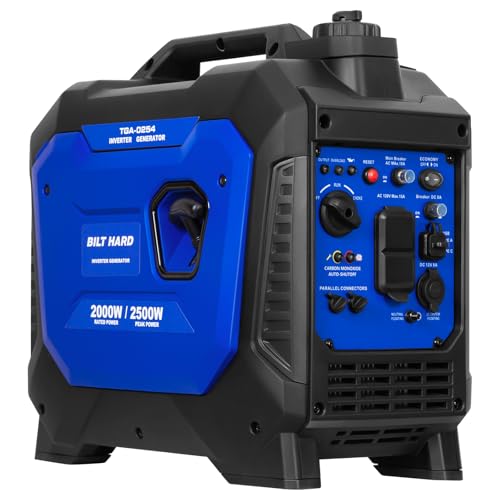
BILT HARD 2500W Gas Inverter Generator
Best for: Sensitive electronics and outdoor safety
- Output Ports
- DC (what this guide is about)
- Running Wattage
- 2000 W
- Surge Wattage
- 2500 W
- Fuel Type
- Gas
- Voltage
- 120V
- Application
- Camping, Home, Outdoor
View on Amazon: BILT HARD 2500W Gas Inverter Generator Affiliate link
This BILT HARD generator delivers 2000 running watts and 2500 surge watts. It features a pure sine wave output with less than 3% THD, making it safe for sensitive electronics. The unit includes two 120V AC outlets and one 12V DC output. An integrated CO sensor enhances safety. You should consider this model if you need reliable power for camping or outdoor events with sensitive devices.
Pros
- Pure sine wave output with under 3% THD
- Integrated carbon monoxide safety sensor
- Parallel ready for doubled output
- 2000W running and 2500W surge capacity
Cons
- Parallel kit not included
- No USB-A or USB-C ports listed
- Requires 87+ octane gasoline
Good fit if
- You need clean power for sensitive electronics
- You require a safety shutdown for carbon monoxide
- You plan to parallel two units for higher wattage
Skip if
- You need built-in USB charging ports
- You prefer solar charging over gasoline
- You require a portable power station instead of a generator
Verdict: BILT HARD 2500W Inverter Generator is a solid choice for users who need clean, safe power for sensitive devices outdoors. It fits those who can manage gasoline refills and want CO protection.
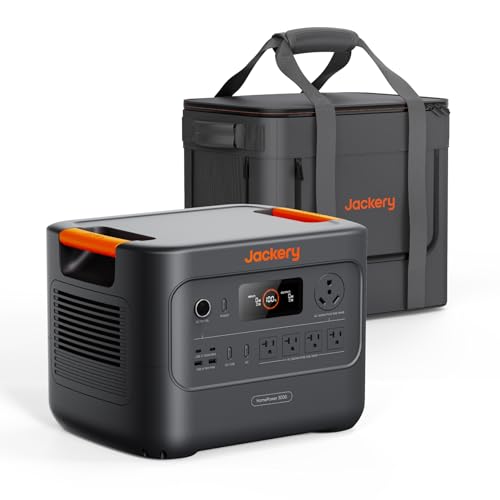
Jackery HomePower 3000 Power Station
Best for: Home backup and RV power needs
- Output Ports
- USB-A (what this guide is about)
- Running Wattage
- 3600W
- Surge Wattage
- 7200W
- Capacity
- 3072Wh
- Battery Chemistry
- LiFePO4
- Application
- Home, Emergency
View on Amazon: Jackery HomePower 3000 Power Station Affiliate link
This unit delivers 3600W of continuous power and 7200W of surge capacity. It holds 3072Wh of energy in a LiFePO4 battery. You get AC, USB-C, USB-A, DC, and TT-30 RV ports. The built-in UPS switches in 20ms or less. It weighs 59.5 pounds and measures 16.4 by 12.8 by 12 inches. This setup suits home backup and RV use.
Pros
- 3072Wh LiFePO4 battery capacity
- 3600W continuous and 7200W surge output
- Includes AC, USB-C, USB-A, DC, and TT-30 RV ports
- UPS function switches in under 20ms
Cons
- 59.5 pounds is heavy for frequent transport
- No MC4 solar input ports listed in specifications
- No remote control or mobile app mentioned in data
Good fit if
- You need high surge wattage for home appliances
- You want a UPS with fast switching speed
- You require an RV-ready TT-30 outlet
Skip if
- You need MC4 ports for direct solar panel connection
- You prioritize lightweight gear for hiking
- You want app-based remote monitoring
Verdict: Jackery HomePower 3000 3072Wh Portable Station fits users needing high wattage and an RV outlet. It supports home essentials and offers fast UPS switching. Skip it if you require MC4 inputs or lightweight portability.
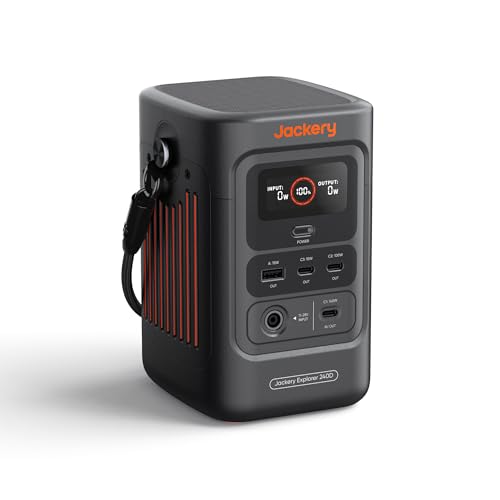
Jackery Explorer 240D DC Power Bank
Best for: Lightweight USB-C device charging
- Output Ports
- DC (what this guide is about)
- Running Wattage
- 200W
- Capacity
- 256Wh
- Battery Chemistry
- LiFePO4
- Application
- Camping, Outdoor, Emergency, Travel
- Dimensions
- 4.73 × 4.19 × 6.69 inches
View on Amazon: Jackery Explorer 240D DC Power Bank Affiliate link
The Jackery Explorer 240D is a compact power bank with 256Wh capacity and 200W DC output. It features three USB-C ports and one USB-A port. The unit weighs 4.85 lbs and measures 4.73 by 4.19 by 6.69 inches. It uses a LiFePO4 battery rated for 6,000 cycles. This device suits you if you need lightweight, fast-charging USB power for travel or camping without AC outlets.
Pros
- 256Wh LiFePO4 battery lasts up to 10 years
- 200W total DC output across four ports
- Includes 140W USB-C strap cable
- Weighs only 4.85 pounds
Cons
- No AC outlets for standard appliances
- 256Wh capacity is small for long trips
- No solar panel included in base unit
Good fit if
- You need ultra-light power for hiking
- You charge multiple USB-C devices
- You want a long-lasting battery
Skip if
- You need to run AC tools
- You require high wattage for laptops
- You want to power large appliances
Verdict: Jackery Explorer 240D 256Wh Portable Power Bank fits travelers who prioritize weight and USB-C speed over raw capacity. It is a dedicated USB power bank, not a general-purpose generator.

ZeroKor 120W Compact Portable Power Station
Best for: Lightweight charging of small electronics
- Output Ports
- USB-C (what this guide is about)
- Running Wattage
- 120W
- Capacity
- 97.6Wh
- Voltage
- 120V
- Application
- Camping, RV, Travel
- Features
- Solar Charging
View on Amazon: ZeroKor 120W Compact Portable Power Station Affiliate link
The ZeroKor G120 is a compact backup battery with 97.6Wh capacity and a 120W max output. It includes two AC outlets, one DC port, and three USB ports, including USB-C. The unit weighs 2.2 lbs and measures 4.4 by 5.7 by 4.1 inches. You can recharge it via wall outlet, car charger, or solar panel. The display shows real-time battery levels and output status for clear monitoring.
Pros
- 97.6Wh capacity provides portable energy storage
- 120W max output supports small electronics
- Includes two AC outlets and one DC port
- Three USB ports with USB-C support
- Real-time digital display for battery monitoring
Cons
- 120W limit restricts high-wattage devices
- 97.6Wh capacity is small for extended use
- Solar panel is not included
Good fit if
- You need a lightweight unit for day trips
- You want to charge phones and small gadgets
- You prefer a compact size for backpacks
Skip if
- You plan to power larger appliances
- You require extended off-grid power
- You need high wattage for tools
Verdict: ZeroKor 97.6Wh 120W Portable Power Station is a lightweight option for charging small electronics. It fits users who need basic power for short outings or emergency backups.
Specifications side by side
| Spec | Jackery Explorer 1000 v2 with Two 100W Panels | MARBERO 300W 237Wh Portable Power Station | BILT HARD 2500W Gas Inverter Generator | Jackery HomePower 3000 Power Station | Jackery Explorer 240D DC Power Bank | ZeroKor 120W Compact Portable Power Station |
|---|---|---|---|---|---|---|
| Running Wattage | 1,500W | 300W | 2000 W | 3600W | 200W | 120W |
| Surge Wattage | 3,000W | 375W | 2500 W | 7200W | not stated | not stated |
| Capacity | 1,070Wh | 237Wh | not stated | 3072Wh | 256Wh | 97.6Wh |
| Fuel Type | not stated | not stated | Gas | not stated | not stated | not stated |
| Battery Chemistry | LiFePO4 | Lithium | not stated | LiFePO4 | LiFePO4 | not stated |
| Output Ports | 3 AC, 2 USB-C, 1 USB-A, 1 DC | 2 AC, 4 USB-A, 1 USB-C, 1 DC | not stated | AC, USB-C, USB-A, DC, TT-30 RV | 3 USB-C, 1 USB-A | 2 AC, 1 DC, 3 USB |
| Voltage | not stated | 110V | 120V | not stated | not stated | 120V |
| Solar Panel Wattage | 2 x 100W | not stated | not stated | not stated | not stated | not stated |
| Wattage | 100W | 300W | not stated | 3600W | 200W | 120W |
| Application | Outdoor, Emergency, RV, Off-Grid | Camping, Home, Emergency, Power Outage | Camping, Home, Outdoor | Home, Emergency | Camping, Outdoor, Emergency, Travel | Camping, RV, Travel |
| Features | not stated | AC Outlet | CO Sensor | not stated | not stated | Solar Charging |
| Dimensions | 8.82 × 12.9 × 9.27 inches | 8.15 × 3.9 × 5.83 inches | 19.5 × 12.5 × 18.5 inches | 16.4 × 12.8 × 12 inches | 4.73 × 4.19 × 6.69 inches | 5.7 × 4.4 × 4.1 inches |
| Weight | 23.8 pounds | 4.6 pounds | 42.6 pounds | 59.5 pounds | 4.85 pounds | 2.2 pounds |
| Color | Orange | Brick Red | Dark Blue | black | Black | Green |
| Model | JE-1000D | M823 | TGA-0254 | JHP-3000C | JE-240B | G120 |
| Size | not stated | not stated | 2500W | not stated | not stated | not stated |
Frequently asked questions
Can I charge a laptop using USB-A ports?
You generally cannot charge a laptop efficiently with standard USB-A ports. These ports typically deliver lower wattage suitable for phones and small gadgets. For laptops, you need a USB-C port with Power Delivery or an AC outlet. The Jackery HomePower 3000 offers USB-A for smaller devices, but it lacks USB-C. Use AC outlets for high-power computing needs.
Do all portable power stations have USB-C ports?
No, not all units include USB-C ports. Some models focus on USB-A or DC outputs instead. For example, the Jackery HomePower 3000 provides USB-A ports but does not list USB-C in its specifications. The BILT HARD generator offers DC ports for specific vehicle connections. You must check the specific output port list for each device to ensure compatibility.
What is the difference between MC4 and DC ports?
MC4 ports are designed specifically for connecting solar panels to charge the battery. DC ports provide direct current output, often 12V, for accessories like car fridges or lights. The BILT HARD generator features DC ports for outdoor safety and device power. MC4 inputs allow for solar recharging, which is not available on the Jackery HomePower 3000. Choose based on your power source.
Can I use a generator to power sensitive electronics?
Yes, if the generator provides clean power. Inverter generators produce stable electricity suitable for sensitive devices. The BILT HARD 2500W Inverter Generator includes a CO sensor for safety and clean power output. Standard AC outlets on power stations also work for most electronics. Always verify the output stability and wattage limits before connecting delicate equipment like medical devices or audio gear.
How many devices can I charge simultaneously?
The number of devices depends on the total port count and wattage limits. The MARBERO 300W station offers both USB-C and USB-A ports for multi-device charging. You can connect multiple phones or tablets at once. However, you must ensure the combined draw does not exceed the inverter capacity. Check the total wattage rating to avoid overloading the unit during simultaneous use.
Is USB-C faster than USB-A for charging?
Yes, USB-C is typically faster due to Power Delivery support. It allows higher wattage transfer for rapid charging. The Jackery Explorer 1000 v2 uses USB-C for fast mobile tech charging. USB-A ports usually offer lower speeds suitable for basic device charging. If you need to recharge laptops or newer phones quickly, prioritize units with robust USB-C specifications.