Start Type in Generators: What It Is and Is It Worth It?
As an Amazon Associate we earn from qualifying purchases. Links on this page are affiliate links.
Start Type Explained for Generators
The start type refers to how a generator initiates its engine. This spec matters because it defines the physical effort and convenience required to power on your unit. You will typically see two main categories in portable generator listings: electric start and remote start. Understanding these differences helps you choose a device that matches your physical capabilities and usage patterns.
Electric start uses a battery-powered motor to crank the engine. Instead of pulling a recoil cord, you press a button. This mechanism is standard on most mid-to-large portable generators. It reduces physical strain significantly. You do not need to tug on a rope, which can be difficult if you have limited upper body strength or are wearing bulky gloves in cold weather. The system relies on a small internal battery that charges while the generator runs. If that battery dies, you may fall back to manual recoil, if the model includes that option.
Remote start takes convenience further. It allows you to ignite the engine from a distance using a handheld remote control. This is useful if you are already inside a home or vehicle and do not want to step out into the rain or snow. It is also helpful if the generator is located in a hard-to-reach spot, such as behind a fence or in a basement corner. Not all portable units offer this feature. It often adds weight and complexity to the design.
When shopping, check the product specifications for these labels. Some listings may simply say "push button start," which is electric. Others will explicitly mention a remote. This spec is a key factor in user experience. If you plan to use your generator frequently or in harsh conditions, the start type explained in the specs will guide you toward a more comfortable operation. Manual recoil is rarely found on modern portable power stations, as they use battery inversion instead of combustion engines.
Electric Start vs Remote Start
Electric Start
Electric start uses a push-button ignition powered by the generator’s internal battery. You press a button to crank the engine, removing the need to pull a recoil cord. This method is practical for heavy units where manual starting is difficult. For example, the Generac 12,500W Tri-Fuel Generator relies on this system. It suits users who prioritize consistent starting power over wireless convenience. The trade-off is that you must be near the unit to start it. You also need to maintain the starting battery to ensure reliability.
Remote Start
Remote start allows you to initiate the engine from a distance using a handheld remote control. This feature adds significant convenience, especially for large home backup units. The Westinghouse 12500-Watt Dual-Fuel Generator includes this capability alongside electric start. It suits homeowners who want to start the generator from inside their house or away from the noise. The trade-off is added complexity and cost. You must carry the remote and replace its batteries. It also requires a compatible transfer switch for full automatic operation during outages.
Is Electric Or Remote Start Worth It
Who needs it
You should prioritize electric start if you are managing heavy portable generators. Pulling a recoil cord on a unit that weighs over fifty pounds is physically demanding and often impractical. The electric ignition system uses the internal battery to crank the engine with a simple button press. This reduces physical strain significantly, allowing you to start the unit quickly without wrestling with a manual cord. Remote start becomes essential if you need to operate the generator from a distance. This feature is critical for camping scenarios where you want to keep noise away from your tent or sleeping area. It also adds a layer of safety by allowing you to start the unit without being directly next to the exhaust or engine components. If you value convenience and ease of use over minimal weight, these start types are valuable investments for your setup.
Who can skip it
You can skip electric and remote start features if you are using small, lightweight generators for occasional backup power. Manual recoil starters are reliable and keep the overall weight and complexity of the unit lower. For users who prioritize portability and cost efficiency, the extra battery and wiring required for electric ignition add unnecessary bulk. If you only need to power a few essential devices for short periods, the physical effort of pulling a cord is negligible. Focus your budget on higher wattage capacity or fuel efficiency instead. These features add cost without improving performance for light-duty tasks. Manual starters also have fewer electronic components that could potentially fail, making them a robust choice for simple, infrequent use cases where convenience is not a primary concern.
Generator Start Type Glossary
Electric Start
Ignition powered by an internal battery via a push button. It eliminates manual recoil pulling, making it ideal for heavy units over fifty pounds.
Remote Start
Ignition triggered by a handheld key fob or smartphone app. It allows you to power on the generator from a safe distance without approaching the unit.
Recoil Start
Manual ignition requiring you to pull a cord to crank the engine. It is the simplest method but demands significant physical effort, especially for large engines.
Internal Battery
A dedicated lead-acid or lithium battery that powers the starter motor. This battery must be charged to operate electric or remote start systems effectively.
Starter Motor
An electric motor that cranks the engine when activated. It converts electrical energy from the battery into mechanical motion to initiate the combustion cycle.
Key Fob
A small wireless transmitter used for remote start ignition. It sends a signal to the generator to start the engine without physical contact with the unit.
Recoil Cord
A handle attached to a spring-loaded rope for manual starting. Pulling it spins the engine flywheel to begin operation, requiring no electricity or batteries.
Quick picks
| # | Product | Best for | Price |
|---|---|---|---|
| 1 | Generac 12,500W Tri-Fuel Generator with EFI | Homeowners needing CO safety and tri-fuel flexibility | Check price of Generac 12,500W Tri-Fuel Generator with EFI on Amazon |
| 2 | Westinghouse 12500-Watt Dual-Fuel Generator | Home backup with remote start | Check price of Westinghouse 12500-Watt Dual-Fuel Generator on Amazon |
| 3 | GENMAX 10500W Tri-Fuel Inverter Generator | High-power home backup with fuel flexibility | Check price of GENMAX 10500W Tri-Fuel Inverter Generator on Amazon |
| 4 | DuroMax 13,000-Watt Dual Fuel Generator | Whole-home backup with dual fuel flexibility | Check price of DuroMax 13,000-Watt Dual Fuel Generator on Amazon |
| 5 | Westinghouse 6600-Watt Remote Start Generator | Home backup with remote start and transfer switch | Check price of Westinghouse 6600-Watt Remote Start Generator on Amazon |
| 6 | GENMAX 9000W Gas Portable Generator | Users needing remote start and parallel capability | Check price of GENMAX 9000W Gas Portable Generator on Amazon |
Our 6 picks
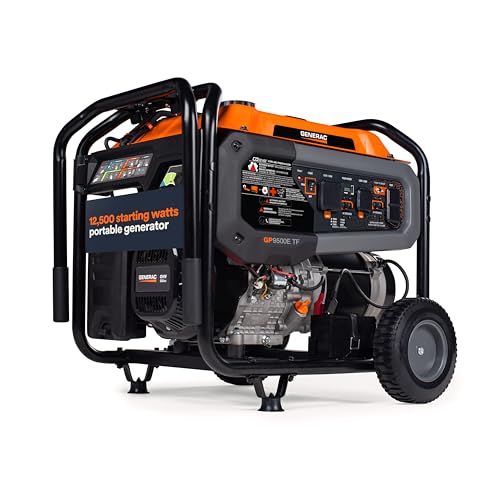
Generac 12,500W Tri-Fuel Generator with EFI
Best for: Homeowners needing CO safety and tri-fuel flexibility
- Start Type
- Electric Start (what this guide is about)
- Running Wattage
- 8550 W (Propane), 7000 W (Natural Gas)
- Fuel Type
- Tri Fuel (Gas, Propane, Natural Gas)
- Output Ports
- 1 GFCI duplex, 1 L14-30R, 1 NEMA 14-50R
- Voltage
- 120V, 120V/240V
- Application
- Home, RV
View on Amazon: Generac 12,500W Tri-Fuel Generator with EFI Affiliate link
This Generac unit offers electric start with recoil backup and tri-fuel capability. It runs on gasoline, propane, or natural gas. The control panel includes a 50A outlet for transfer switches. COsense technology monitors carbon monoxide and shuts the unit down if levels are dangerous. It provides up to 14 hours of runtime on gasoline at 25% load. The steel-tube cradle and never-flat wheels aid mobility for this 227-pound generator.
Pros
- Tri-fuel operation with single-dial switching
- Electric start with recoil backup and included battery
- COsense automatic shutdown technology
- 50A outlet for transfer switch connection
- Up to 14 hours runtime on gasoline
Cons
- Heavy at 227 pounds
- Smaller propane runtime of 6 hours
- No remote start feature
Good fit if
- You need automatic carbon monoxide protection
- You want to connect to a home transfer switch
- You prefer electric start with a pull-cord backup
Skip if
- You require remote start capability
- You need a lighter unit under 200 pounds
- You only use propane for extended periods
Verdict: Generac 12,500 Watt Tri-Fuel Electric Start suits homeowners who prioritize safety features like COsense and flexible fuel options over remote convenience. It fits users who can manage its weight and need a 50A outlet for whole-house backup.

Westinghouse 12500-Watt Dual-Fuel Generator
Best for: Home backup with remote start
- Start Type
- Electric Start, Remote Start (what this guide is about)
- Running Wattage
- 9,500 W (gas) / 8,500 W (propane)
- Surge Wattage
- 12,500 W (gas) / 11,200 W (propane)
- Fuel Type
- Dual Fuel (Gas and Propane)
- Voltage
- 120V/240V
- Application
- Home
View on Amazon: Westinghouse 12500-Watt Dual-Fuel Generator Affiliate link
This Westinghouse generator offers 12,500 peak watts on gasoline and 11,200 on propane. It features electric start, remote start via key fob, and a transfer switch ready outlet. The 457cc engine includes a digital VFT display. You get 12 hours of runtime on gas. It is built for home backup needs with multiple outlet options.
Pros
- Dual fuel capability with 12,500W peak on gas
- Remote start with included key fob
- Transfer switch ready L14-30R outlet
- Digital VFT display for real-time monitoring
Cons
- Heavy at 210 pounds
- Larger footprint than compact units
- No CO sensor in this specific model
Good fit if
- You need remote start convenience
- You require transfer switch readiness
- You want dual fuel flexibility
Skip if
- You need ultra-portable weight
- You require carbon monoxide detection
- You only use propane
Verdict: Westinghouse 12500W Dual Fuel Generator suits homeowners needing heavy power and remote operation. It fits those who want transfer switch integration without carrying the unit.

GENMAX 10500W Tri-Fuel Inverter Generator
Best for: High-power home backup with fuel flexibility
- Start Type
- Remote Start (what this guide is about)
- Running Wattage
- 8500W Gas, 8000W LPG, 6800W NG
- Surge Wattage
- 10500W Gas, 9500W LPG, 8400W NG
- Fuel Type
- Gasoline, Propane, Natural Gas
- Output Ports
- 1x L14-30R, 1x 14-50R, 4x 5-20R, 1x DC
- Voltage
- 120V, 120/240V
View on Amazon: GENMAX 10500W Tri-Fuel Inverter Generator Affiliate link
This GENMAX unit delivers 10,500 starting watts on gasoline and offers tri-fuel flexibility with propane and natural gas options. It features remote start, electric start, and automatic transfer switch compatibility. The 304-pound build supports heavy loads like air conditioners. You should consider this model if you need high surge capacity and multiple fuel sources for home backup.
Pros
- Tri-fuel capability supports gasoline, propane, and natural gas
- 10,500 starting watts on gasoline for heavy loads
- Includes remote start, electric start, and ATS control
- Multiple outlets including 50A and 30A connections
Cons
- Heavy 304-pound weight limits portability
- Bonding plug for neutral bonding is sold separately
- LPG starting watts are lower than gasoline
Good fit if
- You need high starting watts for large appliances
- You want fuel flexibility for extended outages
- You require remote start and automatic transfer switch readiness
Skip if
- You need a lightweight unit for easy transport
- You prefer a lighter weight under 200 pounds
- You want a bonding plug included in the box
Verdict: GENMAX 10500W Tri-Fuel Generator suits users needing high surge capacity and fuel options. It fits those prioritizing power output and remote convenience over lightweight portability.

DuroMax 13,000-Watt Dual Fuel Generator
Best for: Whole-home backup with dual fuel flexibility
- Start Type
- Electric Start (what this guide is about)
- Fuel Type
- Dual Fuel
- Voltage
- 120V, 120/240V
- Application
- Home, Emergency, RV
- Features
- Transfer Switch Ready
- Dimensions
- 30 × 29 × 26 inches
View on Amazon: DuroMax 13,000-Watt Dual Fuel Generator Affiliate link
The DuroMax XP13000HX offers 13,000 watts of power via electric start. It runs on gasoline or propane, letting you switch fuel types quickly. The unit includes a 50-amp transfer switch-ready outlet and CO Alert safety technology. At 245 pounds, it is built for whole-home backup. You should consider this if you need high capacity and fuel flexibility for extended outages.
Pros
- Dual fuel capability for gasoline and propane
- Electric push-button start
- 50-amp outlet ready for transfer switches
- CO Alert safety system
Cons
- Heavy at 245 pounds
- Lacks remote start capability
- No fuel gauge visible in specifications
Good fit if
- You need high wattage for whole-home backup
- You want to switch between gasoline and propane
- You require a transfer switch-ready outlet
Skip if
- You prefer lightweight portable units
- You need remote start convenience
- You require tri-fuel diesel compatibility
Verdict: DuroMax 13000-Watt Dual Fuel Generator provides robust power for homeowners needing reliable backup. It suits those who value fuel flexibility and high output over portability or remote convenience.

Westinghouse 6600-Watt Remote Start Generator
Best for: Home backup with remote start and transfer switch
- Start Type
- Electric Start, Remote Start (what this guide is about)
- Running Wattage
- 5300 W
- Surge Wattage
- 6600 W
- Voltage
- 120/240V
- Fuel Type
- Gas
- Application
- Home, RV
View on Amazon: Westinghouse 6600-Watt Remote Start Generator Affiliate link
This Westinghouse unit offers 6600 peak watts and 5300 running watts for home backup. It features electric push-button start with a remote key fob, allowing you to operate it from a distance. The 274cc engine includes automatic low oil and carbon monoxide shutdowns. With a 4.7-gallon tank, you get up to 14.5 hours of run time. It is transfer-switch ready for whole-home power needs.
Pros
- Remote key fob for electric start operation
- Transfer switch ready L14-30R outlet
- Automatic low oil and CO shutdown sensors
- Up to 14.5 hours run time on gas
Cons
- Lower wattage output compared to 12,500+ watt competitors
- Heavier build at 137 pounds
- Gas only, lacking dual or tri-fuel flexibility
Good fit if
- You need reliable remote start for home backup
- You require transfer switch ready capability
- You prefer electric start over pull-start
Skip if
- You need more than 6600 peak watts
- You want to run on propane or diesel
- You prefer a lighter, easier-to-move unit
Verdict: Westinghouse 6600W Remote Electric Generator provides solid backup power with remote convenience. It suits homeowners needing transfer switch readiness without the bulk of larger, multi-fuel models.

GENMAX 9000W Gas Portable Generator
Best for: Users needing remote start and parallel capability
- Start Type
- Electric Start (what this guide is about)
- Running Wattage
- 7600 W
- Surge Wattage
- 9000 W
- Fuel Type
- Gas
- Output Ports
- 4x GFCI, 1x 30A, 1x 50A, 2x USB
- Voltage
- 120V/240V
View on Amazon: GENMAX 9000W Gas Portable Generator Affiliate link
This GENMAX generator delivers 9000 peak watts and 7600 running watts from a 458cc gas engine. It features electric start and remote start capabilities for convenient operation. The unit includes a digital LCD display and parallel capability to double output with a second unit. It operates at 62 dBA and includes carbon monoxide detection. This model suits users needing reliable home backup power with flexible outlet options.
Pros
- 9000 peak watts and 7600 running watts output
- Electric start and remote control key included
- Parallel capability allows doubling power with another unit
- Digital LCD display shows hours, voltage, and load level
- Carbon monoxide detection automatically shuts down the engine
Cons
- Heavy at 259 pounds
- Parallel cord sold separately
- Single fuel type (gas only)
Good fit if
- You need electric start convenience for a heavy unit
- You want remote start capability from a distance
- You plan to parallel two units for higher power
Skip if
- You require tri-fuel flexibility for propane or natural gas
- You need a lightweight unit for easy transport
- You want parallel capability included without extra purchase
Verdict: GENMAX GM9000iE 9000W Portable Generator offers solid power and remote start features for users who prioritize convenience and high output over fuel flexibility or portability.
Specifications side by side
| Spec | Generac 12,500W Tri-Fuel Generator with EFI | Westinghouse 12500-Watt Dual-Fuel Generator | GENMAX 10500W Tri-Fuel Inverter Generator | DuroMax 13,000-Watt Dual Fuel Generator | Westinghouse 6600-Watt Remote Start Generator | GENMAX 9000W Gas Portable Generator |
|---|---|---|---|---|---|---|
| Running Wattage | 8550 W (Propane), 7000 W (Natural Gas) | 9,500 W (gas) / 8,500 W (propane) | 8500W Gas, 8000W LPG, 6800W NG | not stated | 5300 W | 7600 W |
| Surge Wattage | not stated | 12,500 W (gas) / 11,200 W (propane) | 10500W Gas, 9500W LPG, 8400W NG | not stated | 6600 W | 9000 W |
| Fuel Type | Tri Fuel (Gas, Propane, Natural Gas) | Dual Fuel (Gas and Propane) | Gasoline, Propane, Natural Gas | Dual Fuel | not stated | Gas |
| Output Ports | 1 GFCI duplex, 1 L14-30R, 1 NEMA 14-50R | not stated | 1x L14-30R, 1x 14-50R, 4x 5-20R, 1x DC | not stated | not stated | 4x GFCI, 1x 30A, 1x 50A, 2x USB |
| Voltage | 120V, 120V/240V | 120V/240V | 120V, 120/240V | 120V, 120/240V | 120/240V | 120V/240V |
| Application | Home, RV | Home | Home | Home, Emergency, RV | Home, RV | Home |
| Start Type | Electric Start | Electric Start, Remote Start | Remote Start | Electric Start | Electric Start, Remote Start | Electric Start |
| Features | not stated | Transfer Switch Ready | not stated | Transfer Switch Ready | CO Sensor, Transfer Switch Ready, Auto Choke | Parallel Capable, Digital Display |
| Dimensions | 27.2 × 26.9 × 27 inches | 27.2 × 26.1 × 26.5 inches | 30.9 × 22.6 × 29.3 inches | 30 × 29 × 26 inches | 23.4 × 20.6 × 19.5 inches | 30.9 × 22.6 × 29.3 inches |
| Weight | 227 pounds | 210 pounds | 304 pounds | 245 pounds | 137 pounds | 259 pounds |
| Color | Orange | - CARB Compliant | Orange | Blue | Blue | orange |
| Model | 8061 | WGen9500DF | GM10500iETC | XP13000HX | WGen5300c | GM9000iE |
| Size | not stated | WGen9500DF | not stated | not stated | not stated | GM9000iE |
Frequently asked questions
Can I start a generator with remote start using just the electric start button?
No. Remote start and electric start are distinct mechanisms. Remote start uses a handheld key fob to trigger ignition from a distance. Electric start requires you to press a button on the unit itself. Some models offer both, allowing you to choose between convenience and direct control.
Do I need to manually crank a generator that has electric start?
No. Electric start eliminates the need to pull a recoil cord. You simply press a button to crank the engine using the internal battery. This is especially useful for heavy units, such as the 227-pound Generac 12,500W model, where manual starting would be difficult.
What is the weight difference between generators with remote start and those without?
Weight varies by model, not just start type. For example, the Westinghouse 6600W with remote start weighs 137 pounds. In contrast, the GENMAX 10500W Tri-Fuel with remote start weighs 304 pounds. The Westinghouse 12500W Dual Fuel with remote start is 210 pounds. Heavier units often benefit more from remote features.
Are remote start generators suitable for whole-home backup?
Yes. Many high-capacity models include remote start for whole-home backup. The Westinghouse 12500W Dual Fuel is transfer switch ready and features remote start. This allows you to operate the unit safely from a distance, which is practical for managing heavy power loads during outages.
Does electric start work if the internal battery is dead?
Likely not. Electric start relies on the internal battery to crank the engine. If the battery is depleted, the button will not function. You may need to recharge or replace the battery. Some models allow manual starting as a backup, but the data does not confirm this for all units.
Can I use a generator with remote start in an RV?
Yes. Several remote start models are rated for RV use. The Westinghouse 6600W Remote Electric Generator lists RV as an application. Its compact size and remote operation make it convenient for RV owners who need power without leaving their vehicle or campsite setup.
Is remote start better than electric start for portable generators?
It depends on your needs. Remote start offers convenience by allowing ignition from a distance. Electric start requires you to be near the unit. For heavy generators like the 245-pound DuroMax 13,000W, electric start is essential. For lighter units, remote start adds flexibility without significant effort.
Do all tri-fuel generators include remote start?
No. Tri-fuel capability and start type are separate features. The Generac 12,500W Tri-Fuel has electric start only. The GENMAX 10500W Tri-Fuel includes remote start. You must check the specific attributes for each model to confirm which start mechanism is available for tri-fuel operation.